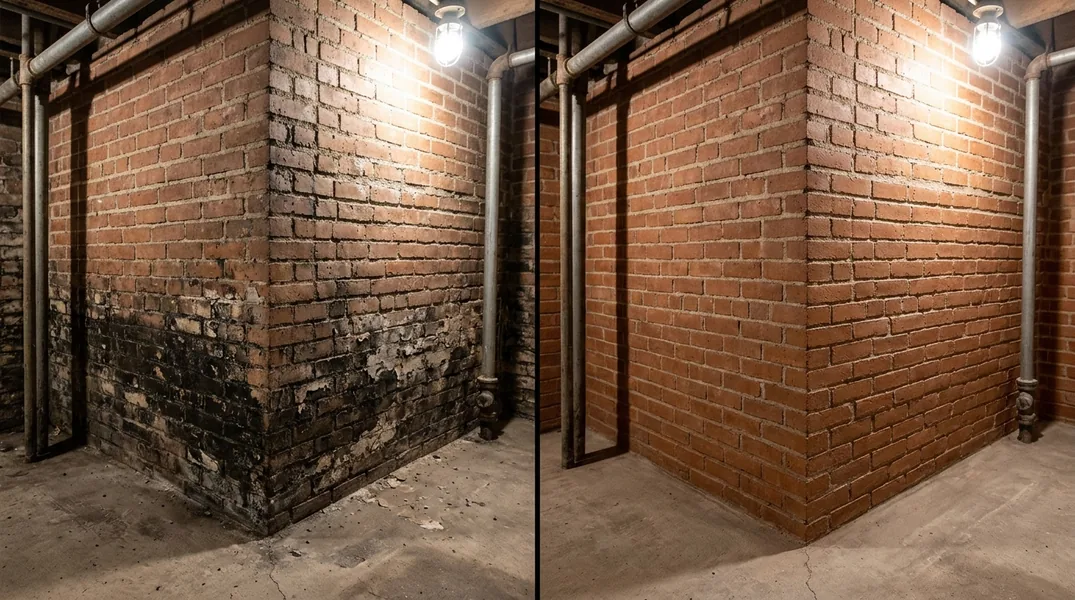
Why Little Rock Homes Face Unique Waterproofing Challenges
Homeowners across Little Rock know that water and foundations do not mix well. The region's clay-heavy soils, combined with seasonal heavy rainfall and the occasional rapid thaw, create conditions where hydrostatic pressure builds against basement walls. That pressure pushes water through even hairline cracks, and over time it can lead to dampness, musty odors, efflorescence, and structural movement. Understanding your local soil and weather patterns is the first step toward choosing the right solution.
Because every home sits on slightly different ground, there is no single answer that fits every property. A house on a slope may drain naturally in one direction but collect water on the uphill side. A flat lot may hold water against the foundation after a storm. That is why a real Basement Waterproofing plan starts with an inspection rather than a one-size-fits-all product. The interior vs exterior waterproofing decision should follow what your foundation is actually telling you.
How Interior Waterproofing Works: Drain Tile and Sump Systems
An Interior Drain Tile System is installed along the inside perimeter of the basement footing. It captures water that has already entered the soil around the foundation and routes it to a sump pump, which discharges it away from the house. This approach is popular because it can be installed without excavating the exterior, which means less disruption to landscaping, driveways, and porches. It also works well for finished basements where you want to protect flooring and drywall without tearing up the yard.
Interior systems are generally easier to service because the components are accessible from inside. If a pump fails or a discharge line clogs, a technician can reach the problem quickly. The tradeoff is that interior drainage manages water after it reaches the foundation rather than stopping it at the source. For many North Little Rock homes with mature landscaping or limited side-yard access, that tradeoff is well worth it. A reputable contractor will explain exactly where the water goes and how the system is maintained.
How Exterior Waterproofing Works: Membranes and Drainage
Exterior Basement Waterproofing attacks the problem from the outside. The soil is excavated down to the footing, the foundation wall is cleaned and repaired, and a waterproof membrane is applied. A drainage board or gravel layer is then installed to direct water down to footing drains. This method stops water before it ever touches the basement wall, which makes it the more definitive solution when the goal is to keep the foundation itself dry.
The tradeoff is cost and disruption. Excavation is labor-intensive, and it can affect decks, patios, fences, and established plantings. In tight lots or where the foundation is shared with a neighboring structure, access can be a real constraint. That said, when a home has significant wall damage, recurring seepage, or a failing original drain system, exterior work is often the only way to solve the root cause. For homeowners in Sherwood and similar communities with expansive clay, exterior membranes paired with proper grading can make a dramatic difference.
Drain Tile vs Exterior Membrane: A Practical Comparison
When people ask about drain tile vs exterior membrane, they are really asking where the water should be managed. Interior drain tile manages water that has already entered the foundation zone. It is typically faster to install, less expensive, and easier to maintain. An exterior membrane prevents water from reaching the wall in the first place, which protects the concrete or block itself and reduces the long-term risk of cracking and deterioration. Neither approach is inherently better; they solve different parts of the same problem.
Many successful projects combine elements of both. For example, a home might get an exterior membrane on the uphill side where pressure is greatest and an interior drain tile system on the downhill side where access is limited. A thorough Foundation Waterproofing assessment will look at grading, downspouts, soil type, crack patterns, and the age of the home before recommending a path. In Jacksonville and throughout the metro, the right answer often depends on how the lot drains and how much exterior access the property allows.
Basement Waterproofing Cost in Little Rock: What to Budget
Cost is usually the deciding factor for homeowners weighing interior vs exterior waterproofing. Interior drain tile systems are generally more affordable because they require less excavation and can be completed in a shorter timeframe. Exterior membrane systems cost more due to excavation, disposal, and restoration of landscaping or hardscaping. However, the long-term value depends on what you are protecting. If the goal is to finish a basement or stop active seepage, the right system is the one that solves the problem completely.
Rather than guessing, request a written pricing breakdown that separates materials, labor, and any restoration work. A good contractor will also explain what is not included, such as permit fees or landscaping repair. For a realistic budget, schedule a free estimate so the recommendation is based on your actual foundation, not a phone quote. You can also call Little Rock Waterproofing at (501) 710-4186 to ask questions before committing.
Basement Waterproofing Near Me: When to Call a Pro
Some water issues are simple fixes: a clogged downspout, a negative slope against the house, or a failed sump pump. But recurring dampness, white powder on the walls, bowing, or water after every heavy rain usually points to a deeper drainage problem. If you are searching for basement waterproofing near me and finding conflicting advice, a professional inspection can settle the question quickly. The right contractor will show you photos, explain the cause, and give you options rather than pressure.
Little Rock Waterproofing serves homeowners throughout the area and can help you compare interior and exterior approaches side by side. Whether your priority is minimal disruption, long-term protection, or budget, the conversation should start with your home's specific conditions. Call (501) 710-4186 or request a free estimate to get a clear, local recommendation for your property.
Looking for a professional basement waterproofing contractor in Little Rock? Little Rock Waterproofing responds fast for all your basement waterproofing needs.
Get a Free QuoteOur services: Basement Waterproofing · Interior Drain Tile System · Exterior Basement Waterproofing